

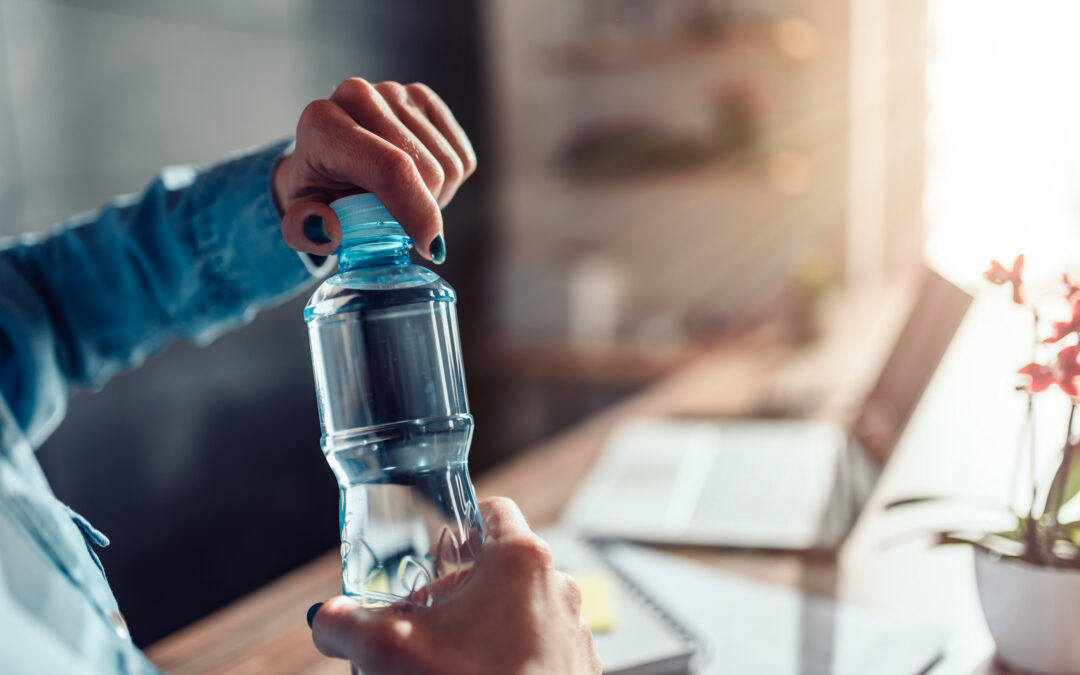
What you drink, and how much, can have a real effect on your overall health. Our bodies are made up of about 60% water. If this changes, it can affect many of the normal processes of the body.
You need water for:
- Energy production
- Mental alertness
- Regulating body temperature
- Lubricating joints
- Preventing muscle tears
If you are not drinking enough water, dehydration will affect your body. Even 1% dehydration can result in a measurable decrease in mental and physical performance.
How much water should you drink each day?
The simple math is that you need to drink half of your weight in ounces every day. So, someone who weighs 180 pounds would need to drink 90 ounces of water a day.
This is the recommendation for everyone, every day. This can be easy in the summer when it is hot and we sweat more easily. But it is also important in the winter. The dry winter air needs to be hydrated as it enters our lungs to prevent damage because we lose moisture with every breath.
If you exercise, you need even more water. You should drink at least an additional 16 ounces for every hour of exercise. A half hour of exercise? You need another eight ounces. A two-hour bike ride? That’s an extra 32 ounces of water.
Here is an example:
If I weigh 180 pounds and exercised for 1.5 hours at the gym, I need to have 90 ounces (based on my weight) plus 24 ounces (based on exercise level). I need 114 ounces of water.
Doing the math and being mindful of your needs will help you prevent dehydration.
How do you drink that much water in a day?
This amount of water can be intimidating. And if you wait and try to drink it all at the end of the day, you might be awake several times during the night! The goal is to drink consistently throughout the day.
My biggest suggestion is to keep a water bottle with you and take a drink every 15 to 20 minutes. When you break it up, it’s not so daunting.
What about electrolytes?
Electrolytes include salt, potassium, calcium and magnesium. These are minerals that you lose when you sweat. They can be important for:
- Nerve and muscle function
- Fluid balance
- Blood pressure regulation
- Heart function
You may want to get more electrolytes if:
- You exercise more than 1 hour
- You are in excessive heat
- Your sweat is excessively salty
Ways to get more electrolytes include eating higher salty foods, eating a balanced diet or drinking beverages that contain added electrolytes.
How do you know if you are dehydrated?
The first indication of dehydration is usually a sensation of thirst or perhaps noticing a change in your urine color. But dehydration can cause a decrease in cognitive function, headaches and dizziness, or decreased energy. Mild dehydration may not be noticeable, more extreme dehydration makes these side effects more pronounced. Extreme dehydration can lead to muscle cramps, rapid heart rate, loss of consciousness and even death.
Chronic dehydration can affect our joint health and increase muscle tears. Long-term lack of concentration and decreased energy from dehydration affects our performance in school, tests, employment and all areas of life.
The problem with dehydration is that by the time you’re thirsty, you’re already dehydrated. If you wait to be thirsty, you are always playing catchup and never becoming truly hydrated. It is always best to drink before you are thirsty. By avoiding thirst, you make sure you are well hydrated for anything your body needs to do. Knowing how much water you need to drink is the first step to establishing a plan to prevent dehydration.
Make drinking water a habit your body can count on.
Proper water intake is essential for energy, performance and overall health. Prioritizing regular water intake – and adding electrolytes when needed – helps your body stay balanced and resilient.

Daniel Shaw, MS, RD, LMNT
Daniel Shaw is a clinical dietitian at Bryan Diabetes Center.