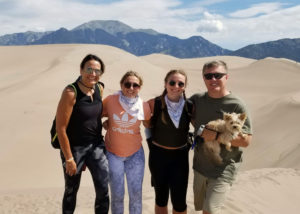
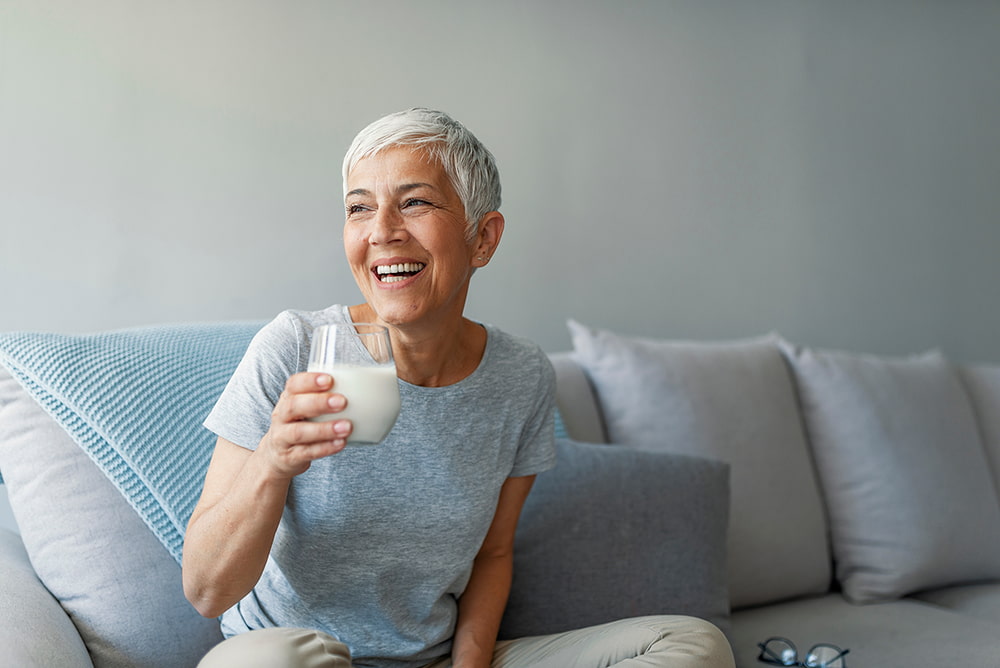
Our bones are amazing structures that keep us upright. Along with muscles, ligaments and tendons, they allow us to move and participate in activities that make life worthwhile!
Bones are made of minerals – calcium and phosphate – proteins, collagen and growth factors that stimulate growth of bone tissue. Just like your car needs routine maintenance, your bones also need care and attention.
Factors that affect the growth and strength of your bones
Healthy bone remodels, which means bone cells are formed and turned over in a metabolic cycle. This process can be affected by certain medical conditions, medications, age and habits.
Bone density is a measurement that shows the strength and thickness of your bones. Bone density is at its highest around age 25. After this, you lose about 0.5% of your bone mass each year until age 50. Then, the rate of bone loss increases. Osteoporosis occurs when you lose too much bone mass. This loss of bone density weakens your bones and can make them more prone to fractures. In fact, two million bones are broken each year due to osteoporosis!
As orthopedic trauma surgeons, my partners and I fix broken bones, and a significant percentage of our patients have had fractures as a result of osteoporosis. If you break a bone, we work to take care of the fracture and to optimize your bone health during recovery and beyond. Our ultimate goal is to help people take steps to gain and maintain healthy bones before a break happens.
Are you at risk for osteoporosis?
There are risk factors we can control, and some we cannot. Osteoporosis is more common after age 50, and affects women more than men. Smoking, drinking more than 2-3 alcoholic beverages per day, taking certain medicines, vitamin D deficiency, menopause, hormone disorders and poor nutrition can put you at risk of osteoporosis.
7 Steps You Can Take for Healthier Bones
1. Get a Bone Mineral Density Test (DEXA Scan)
What is a DEXA scan and when should I get one?
This test is the best way to determine your bone health. It uses low doses of X-rays to measure the amount of minerals – mainly calcium – in your bones. Test results show the strength of your bones and can help your provider know if you are at risk for osteopenia or osteoporosis.
Women should receive this test starting at age 65, or age 55 if you have high risk factors. Men should receive this test starting at age 70.
(Insert link and talk about scheduling)
Learn More and Schedule Your DEXA Bone Density Online
2. Get Enough Calcium
3. Get Enough Vitamin D
How much calcium and vitamin D do I need and how do I get this in my diet?
How much calcium and vitamin D you need depends on several factors. Women and men have different nutritional needs, and these vary based on your stage in life.
|
Daily dietary requirements for: |
Calcium |
Vitamin D |
|
Infants |
None needed |
400 IU/day if breastfed |
|
Children |
700-1,000 mg/day |
600 IU/day |
|
Teens and young adults |
1,300 mg/day |
600 IU/day |
|
Adults under age 50 |
1,000 mg/day |
400-800 IU/day |
|
Pregnant women |
1,500 mg/day |
800 IU/day |
|
Lactating women |
2,000 mg/day |
800 IU/day |
|
Women age 50+ |
1,200-1,500 mg/day |
800-1,000 IU/day |
|
Men age 50-70 |
1,000 mg/day |
800-1,000 IU/day |
|
Men age 71+ |
1,200 mg/day |
800-1,000 IU/day |
Eating a well-balanced diet will help you get much of the calcium and vitamin D you need.
- Dairy products such as yogurt, cheese, milk and even ice cream (yay!) are rich in calcium and vitamin D.
- Green veggies (such as spinach, broccoli), mushrooms, egg yolks and some fatty fish provide vitamin D.
- Look for fortified foods with added vitamin D such as tofu, plant milks, cow’s milk, orange juice, cereals and yogurt.
- For those who don’t get enough calcium and vitamin D in their diet naturally, supplements are available over-the-counter. Make sure you get one that has both calcium and vitamin D, as they are also sold separately.
4. Exercise
How much and what type of exercise do I need to keep my bones healthy and strong?
You should get 30 minutes of weight-bearing exercise most days of the week. Some examples include fast walking, light weightlifting, using resistance bands, dancing, yoga and riding a bike or stationary bike.
The good news is you can do most of these things in the comfort of your own home! There are also many great exercise programs available in the community for those who would like someone to guide them.
5. Prevent Falls
Why is this important and what can I do to reduce my risk of falling?
Falls are the #1 cause of osteoporosis-related fractures in men and women over age 55. Here are steps you can take to protect yourself and prevent falls.
Ways to prevent falls inside your home
- Remove throw rugs and clear clutter on the floors and stairways
- Don’t walk around in socks or slippers
- Use rubber mats in the shower
- Use nightlights
- Be careful with your pets running around your feet
Ways to prevent falls when you’re outside
- Wear shoes with good traction
- Watch for slippery floors and curbs
- Use a cane or walker if you feel unstable (especially in bad weather)
- Have your vision and hearing checked regularly
Bryan offers balance testing and fall evaluations to access your risk of falling. This evaluation will look at your health history, assess your joint movement, muscle strength, and test your mobility and walking skills. This information will allow your physical therapist to design a program to address your unique needs to help you get stronger and feel more comfortable on your feet. (what about: With this information, you can design a program to address your unique needs to help you get stronger and feel more comfortable on your feet. You may want to work with a physical therapist to create this program.)
Learn more and schedule an appointment today.
6. Don’t Smoke
Smoking reduces the blood supply to your bones. It also decreases your body’s absorption of calcium, which is necessary for bone health. The nicotine in cigarettes slows production of bone-producing cells.
It’s hard to make lifestyle changes, especially when we’ve had a habit for many years. Talk to your primary care provider about programs or medications that can help you start the process of quitting. It’s also helpful to have a good support system around you to keep you encouraged and on the right track. Ask your significant other to quit with you!
Learn more about the Bryan Health smoking cessation program.
7. Limit Alcohol Intake
Alcohol interferes with your body’s ability to absorb calcium and vitamin D. It also interferes with the hormones important to bone health which can lead to bone loss.
Limit alcohol intake to no more than 2-3 drinks per day (1 drink is 5 ounces of wine, 1.5 ounces of hard liquor or 12 ounces of beer).
I’ve already been diagnosed with osteopenia or osteoporosis…is it too late for me to have healthy bones?
It’s not too late! Talk to your doctor about treatment options. This might include prescription medicine to increase your bone density. Also, make sure you take steps to optimize your nutrition, calcium and vitamin D intake. Fifty percent of women with untreated osteoporosis will go on to break a bone – so taking these steps is important for your health.
Your bones need your support so they can work to support you!
The human body is an incredible machine, and it requires care and attention to run efficiently and stay healthy. Our bones need us to eat a well-balanced diet including enough calcium and vitamin D, exercise, and keep away from smoking and excessive drinking. Taking these steps will help us avoid bone loss and risk of fractures.
It’s also important to get your bone density checked, and if diagnosed with osteopenia or osteoporosis to make sure it’s treated appropriately.
For those patients who have already broken a bone due to osteoporosis, if you are our patient, we will make sure your bone health is assessed and communicate with your primary care provider to ensure appropriate treatment and follow-up. For those who have had a fragility fracture in their lifetime and are not a patient of ours, you may ask your primary care provider for a DEXA bone scan and to screen you for osteoporosis.
Taking care of your skeleton will help you keep doing the things you enjoy in life!
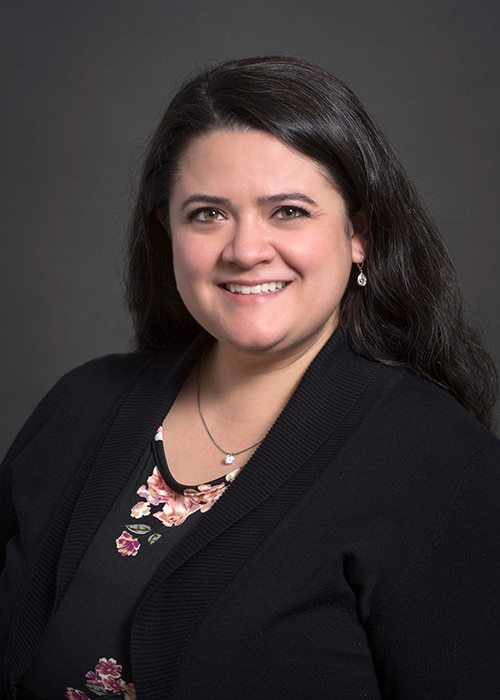
Alesha Scott, DO
Dr. Scott is an orthopedic/trauma surgeon with Bryan Trauma.