
Strokes affect the lives of millions of Americans each year. It’s one of the leading causes of death and disability, and that’s why it’s very important for you to know the signs and symptoms so you can act F.A.S.T. in a time of emergency.
A stroke can occur at any time, to any one of any age. Nationally, every 40 seconds a stroke occurs to a person in the United States. Some estimates are as high as 1 in 4 Americans will experience a stroke. The Stroke Center leaders of Bryan Health want to provide you with information for yourself, your family and friends.
What is a stroke?
A stroke is an interruption or blockage of blood flow to the brain tissue. It is caused by either:
- Bleeding in the deep tissue of the brain due to a burst blood vessel or (hemorrhagic)
- A clogged artery that blocks the flow of blood to vital brain tissue areas (ischemic)
When the tissue is deprived of oxygen and other nutrients for a prolonged time, the tissue will die and cause permanent damage to brain functions.
What are the signs and symptoms of a stroke?
The most frequent signs of a stroke include SUDDEN:
- Numbness or weakness in the arms, legs or face — usually on one side of the body
- Onset of confusion, trouble speaking or understanding what others are saying
- Trouble seeing in one or both eyes
- Trouble walking, dizziness or loss of balance
- Severe headache with no known cause
- Loss of consciousness or responsiveness
How are strokes treated?
Hemorrhagic strokes are treated with surgery to stop the bleeding or remove the clot. Sometimes they can be managed with good blood pressure control by your provider along with lifestyle changes.
Ischemic strokes can be treated with the “clot-buster” intravenous (IV) medication within three hours from the time symptoms begin. A mechanical thrombectomy is a surgical procedure to remove the clot from the artery. Bryan Medical Center is one of only three hospitals that performs this procedure. It may be done up to 24 hours from the time the symptoms begin.
I’ve heard of F.A.S.T. before. What does that mean?
FAST is an easy way to remember the signs of a stroke:
- F- Face: Ask the person to smile — does one side of their face droop?
- A- Arm: Ask the person to raise their arms — does one arm drift downward?
- S- Speech: Ask the person to repeat a simple phrase such as “You can’t teach an old dog new tricks.” Is the person’s speech clear or does it sound garbled? Do they use the wrong word when asked a question?
- T- Time: It is time to call 911. Note the time you first notice signs of stroke. This will help us decide your treatment options
The sooner you get to a Certified Stroke Center like Bryan, the better. You’ll have more treatment options available to you.
What are the effects of a stroke?
When tissue dies, brains functions will stop. Depending on the area affected, this includes:
- The ability to speak or understand what is being said (called aphasia)
- The ability to make judgments or decisions
- Walking
- Seeing
What is a TIA?
- TIA is short for transient ischemic attack. This means that the symptoms “come and go” and do not leave permanent damage
- Some people call these mini-strokes. TIAs should be taken seriously since they are often warning signs of a bigger stroke event that will cause permanent damage to brain functions
What are risk factors for stroke?
There are several risk factors that contribute to having a stroke. Some are considered controllable, such as:
- High blood pressure
- High cholesterol from high salt or fat intake in your diet
- Smoking
- Irregular heartbeat such as Atrial fibrillation (Afib)
- Diabetes
- Low amounts of exercise
Talk to your doctor to decide how best to control your risk factors.
Get Your Free FAST Magnet
Every year, hundreds of people in our community turn to Bryan Health for stroke treatment, care, and rehabilitation. At the first sign of a stroke, call 9-1-1 immediately. To request your magnet with the FAST stroke signs, call us today and leave your name and address.
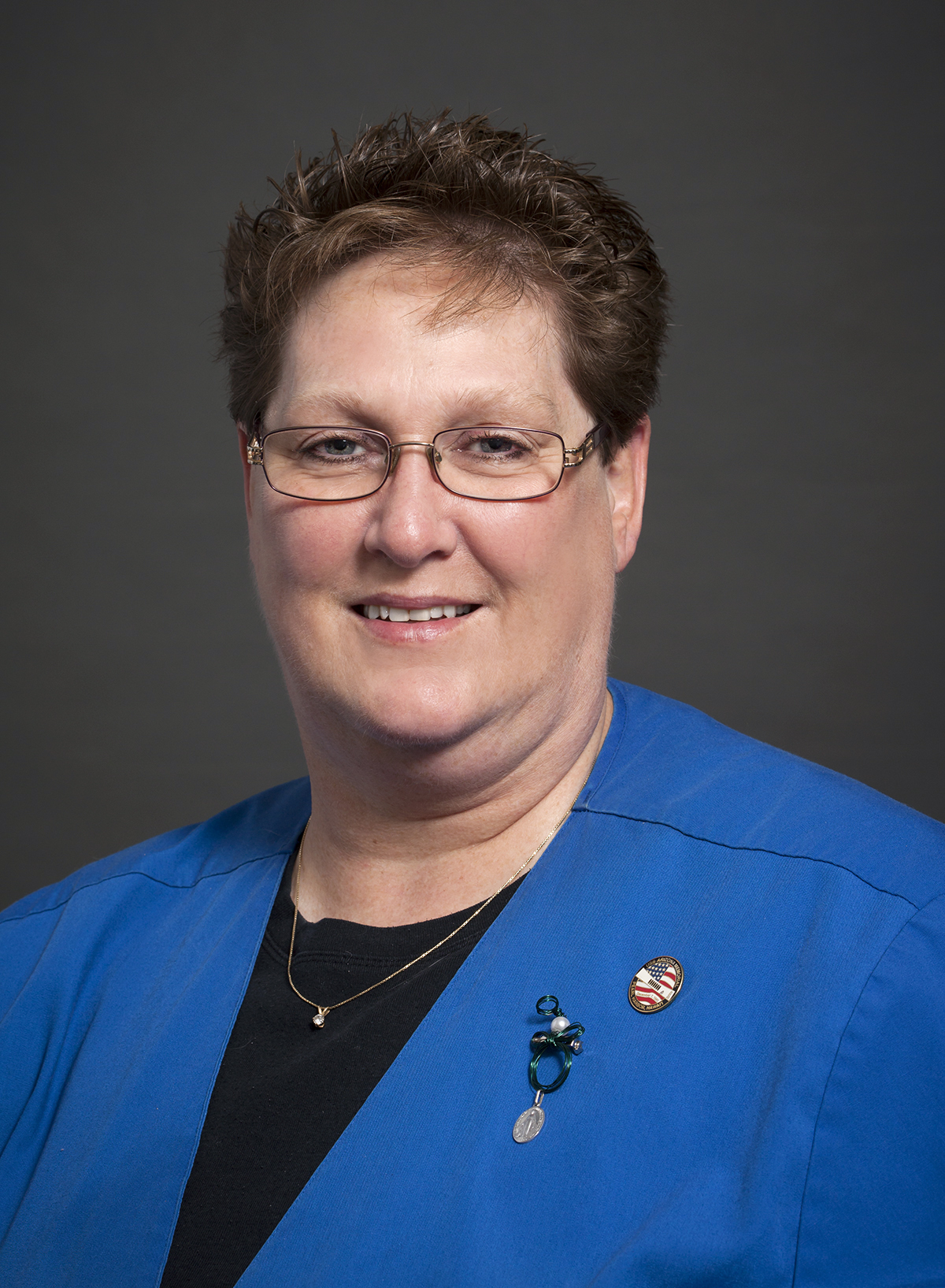
Mary Ellen Hook, APRN-CNS
Health Expert